
Projects
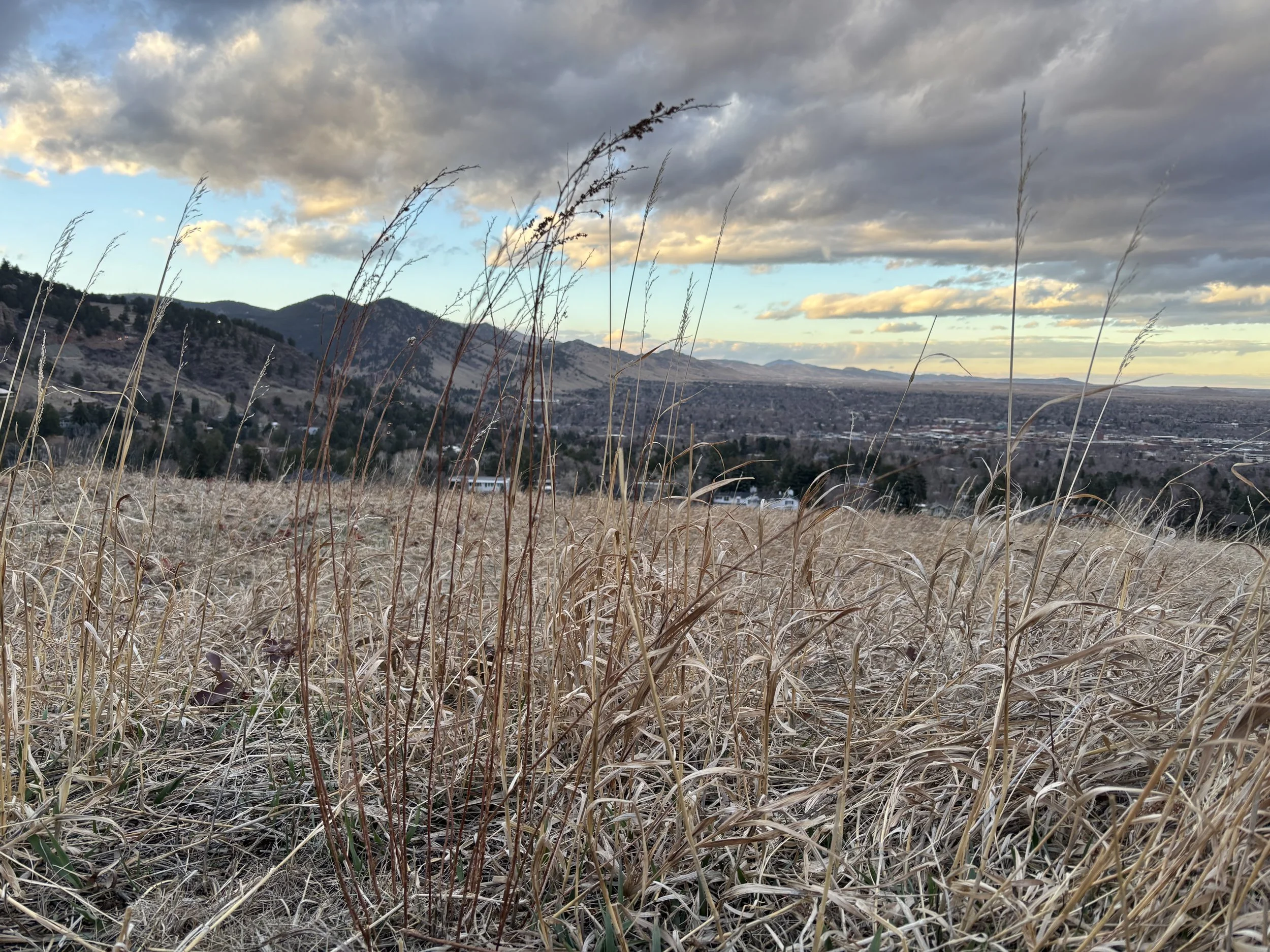
Dynamic diversity-productivity feedbacks under drought extremes
Plant diversity is often called a cornerstone of nature-based climate solutions — diverse grasslands are expected to store more carbon and stay productive through droughts. But the relationship runs both ways: just as diversity can boost productivity, high productivity can, in turn, reduce diversity — for instance by shading out smaller species. In real-world grasslands, this feedback can blur or even mimic the very diversity effects researchers are trying to measure, and most studies, capturing only a single point in time, aren't built to catch it.

Building on the feedback framework I developed during my PhD, this project asks whether these feedbacks play out with a time lag, how they shift under water limitation, and what happens to them as droughts grow more extreme under future climate change.
I am currently working on that project as a PI together with Laura Dee, Yann Hautier, Kathryn Barry, Melinda Smith, Eric Seabloom and Elizabeth Borer.
Interested? Stay tuned for results!
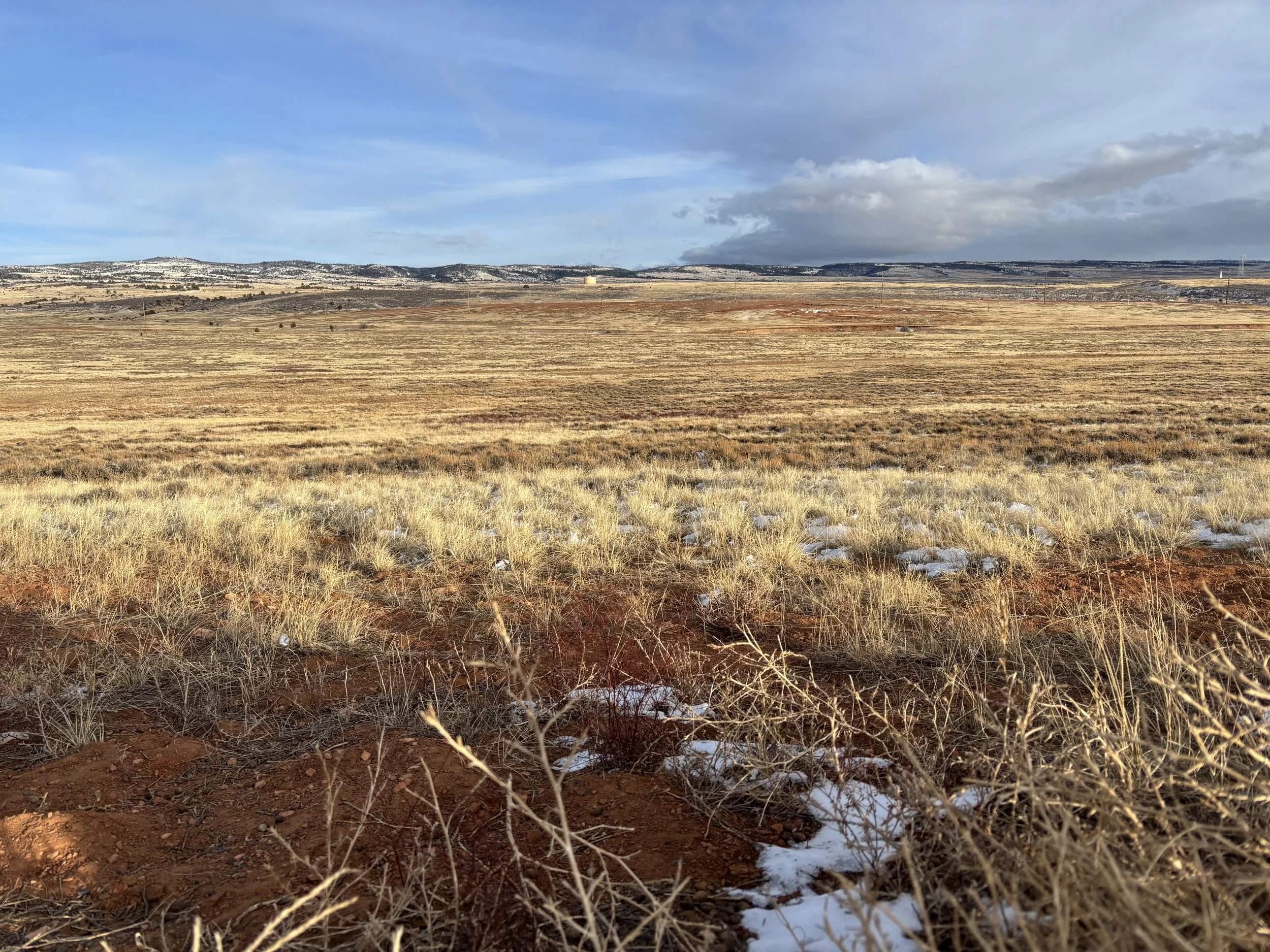
Belowground traits and ecosystem functioning under climate change
In this project I investigated how belowground plant traits shape ecosystem productivity in herbaceous-dominated ecosystems such as grasslands, savannas, and tundra. My focus is on understanding how environmental conditions influence trait–productivity relationships and how plant communities persist under some of the world’s harshest climates.

This work - which is part of the sUnderfoot working group - is a large collaborative effort involving over 50 researchers worldwide, drawing on observational data from global research networks such as the Nutrient Network, NEON, the Biodiversity Exploratories, and many others.
Interested? Stay tuned and check out the sUnderfoot group and our first paper proposing a novel framework of belowground persistence types to severe disturbance!
I am the PI of this project which is part of a postdoc fellowship at iDiv.
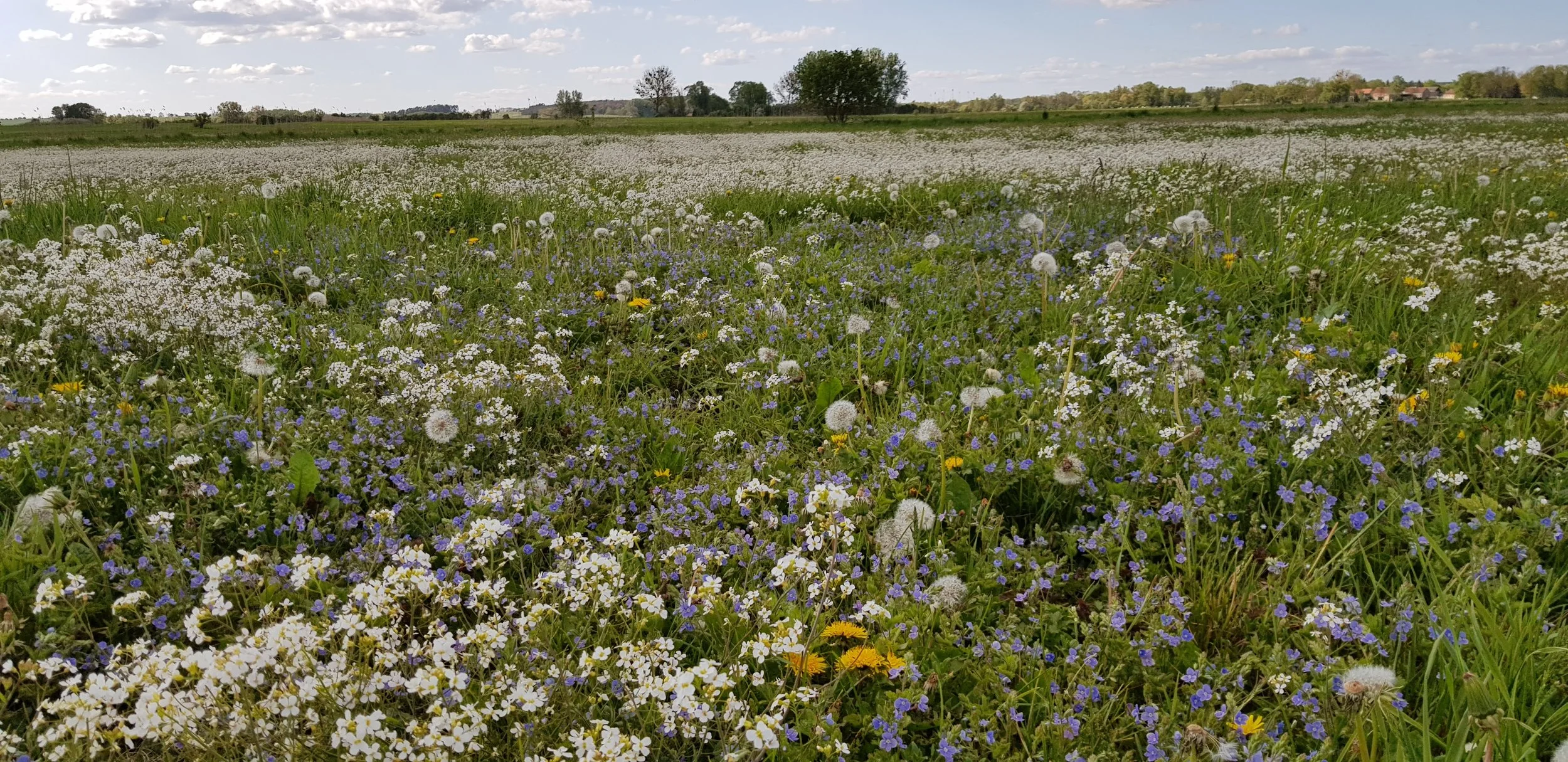
Diversity-productivity feedbacks moderated by land-use intensity
For decades, ecologists have debated the link between plant diversity and productivity in grasslands. The challenge lies in their reciprocal nature: while diverse communities can boost productivity, high productivity can, in turn, reduce diversity. Added to this are countless confounding factors, making it difficult to separate cause from effect.

In this project, together with Fons van der Plas, Alexandra Weigelt, Laura Dee, and colleagues, I developed a new framework to disentangle and quantify these feedbacks in managed grasslands.
This project was my PhD project (BEF-Loops; based on a DFG project by Fons van der Plas).
Interested? Then check out this paper, also featured on the Journal of Ecology Blog.

The Trees of the Future
Environmental change poses novel challenges for forests worlwide potentially leading to drastic changes in species composition. Yet, which trees are best adapted to such novel climates is still unclear. Suing an Arboretum experiment - established at the University of Leipzig by Christian Wirth and Alexandra Weigelt - with over 100 different tree species, this project aims to better understand tree specific responses to environmental change, ultimately helping us to identify trees able to cope with novel climates of a changing world. Interested? Then check out the Arbofun project and our paper on drought responses of tree species by Lena Kretz.
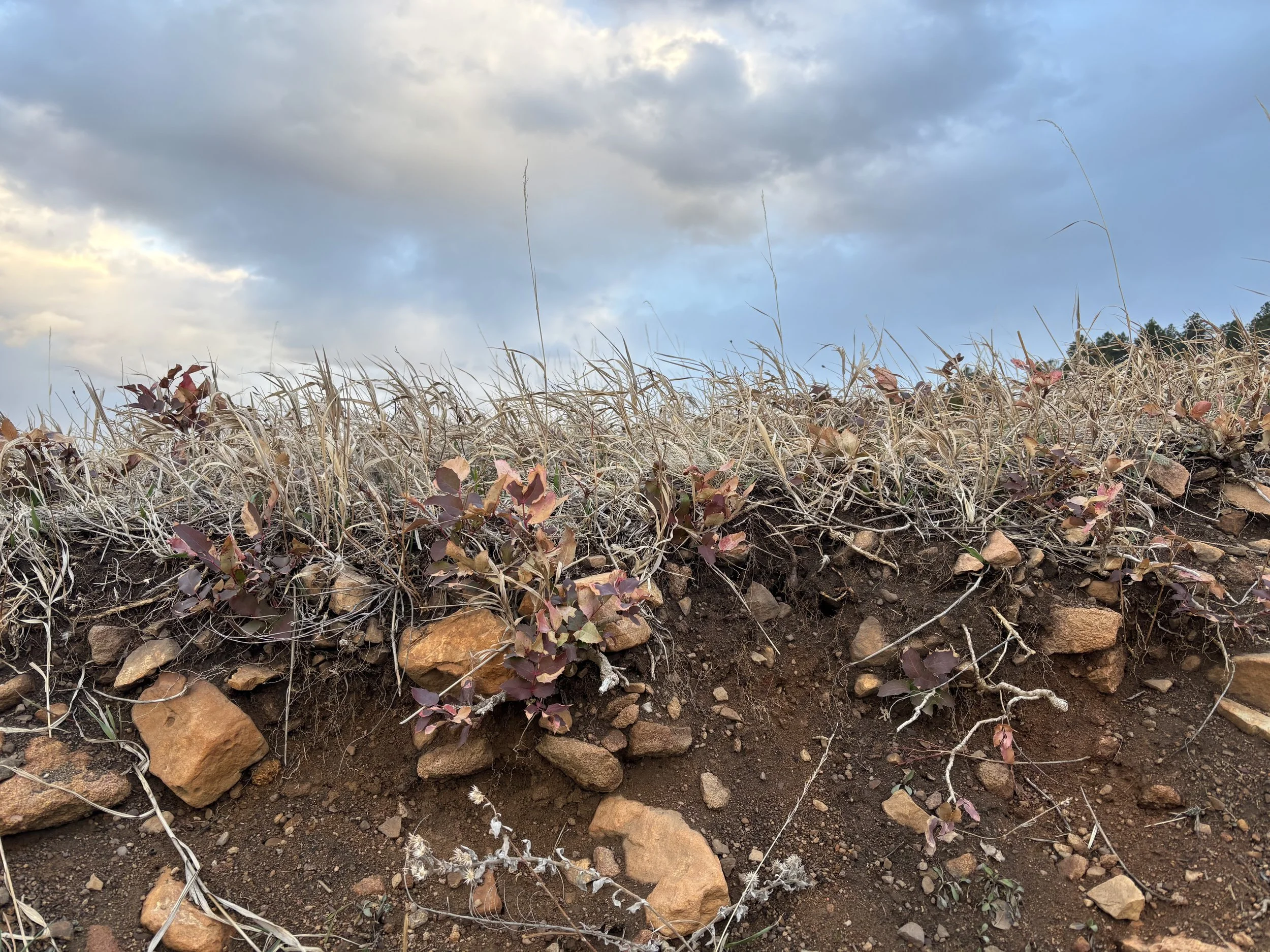
Aboveground and belowground trait diversity
This project was part of the sRoot working group hosted at the German Center For Integrative Biodiversity Research (iDiv). We explored the multidimensional nature of plant trait variation by integrating both above- and belowground traits to better understand plant function and how it is influenced by the surrounding environment.Interested? Then check out the sRoot group and our paper on the coordination of above- and belowgroung traits published in New Phytologist, as well as our commentary about the importance of trait selection that was published in Nature!
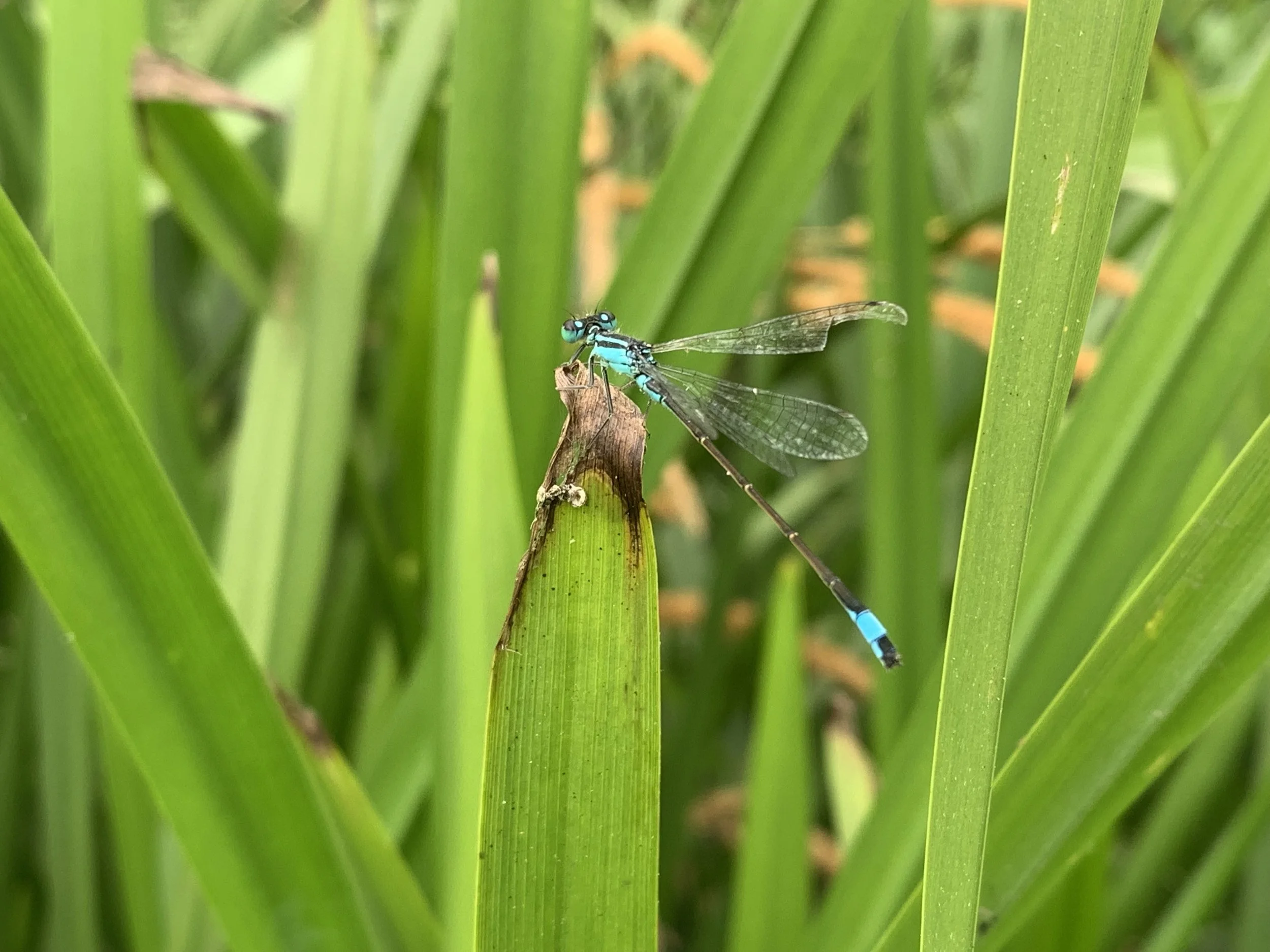
Stoichiometric diversity of life
Ever wondered what life is made of - literally? In this project - as part of the sBiomaps working group - we launched StoichLife, a global dataset of the elemental building blocks of life across nearly 6,000 species! Spanning land, water, and sea, it opens up new insights into how organisms are shaped by their environments.Interested? Then check out our database!
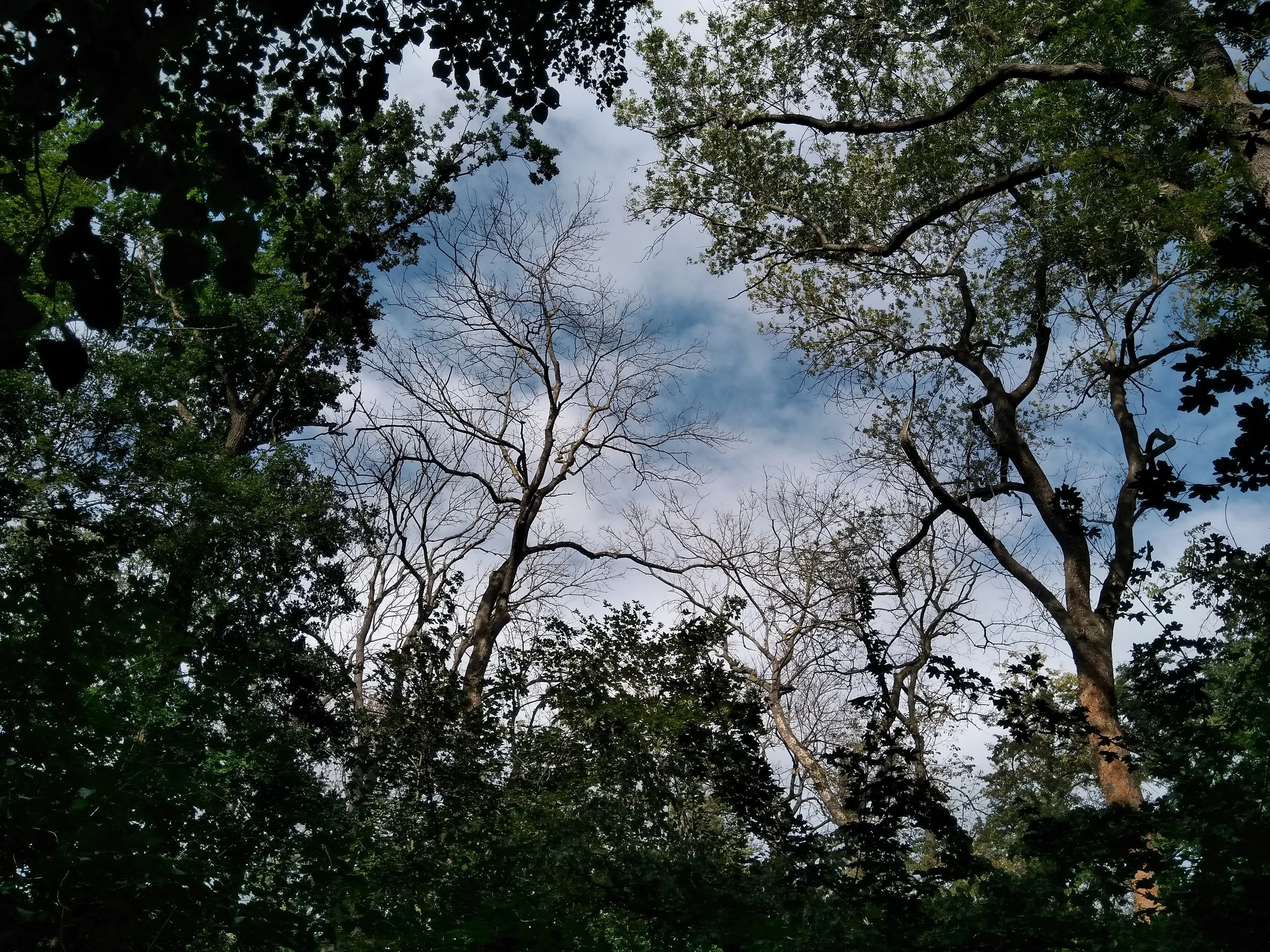
Ash dieback in floodplain forests
Ashdieback is reshaping Europe's floodplain forests, with Fraxinus excelsior in steep decline because of climate change. But who takes over when a key species disappears?Our study in Leipzig’s floodplain forest shows that increased light from ash dieback only benefits tree growth on moist sites — on dry sites, growth declines. In the lower canopy, flood-intolerant yet competitive Acer species thrive, hinting at a shift toward novel ecosystems.
Without restoring natural water dynamics, floodplain forests may lose their original species composition, impacting conservation efforts.
Interested? Then check out our paper by Stefanie Henkel as part of the Revitalization project in the Elster-Luppe floodplain in Leipzig: Lebendige Luppe.
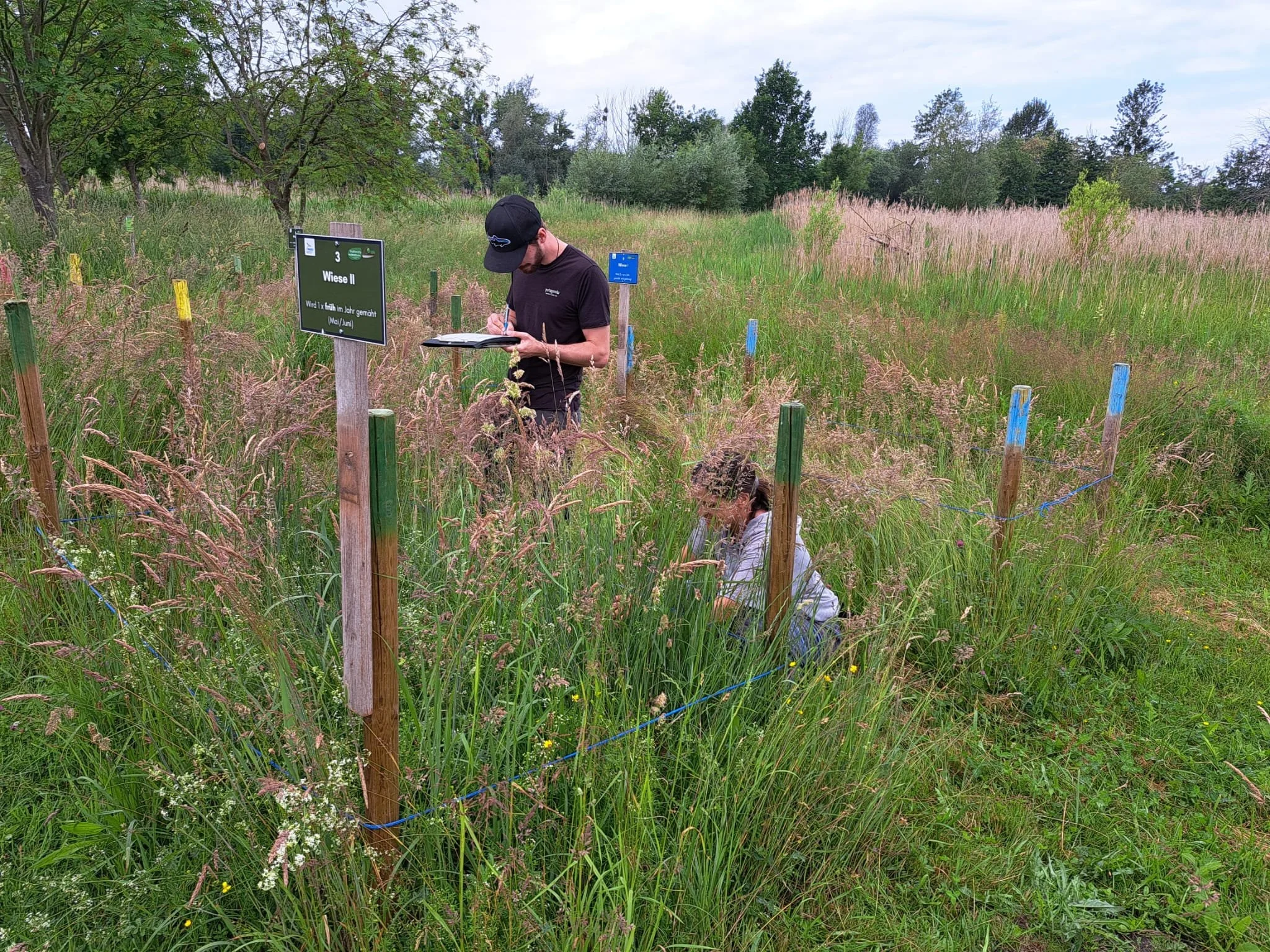
Citizen Science: Grassland Diversity on Display
Together with Judith Hinderling (University of Bern), this citizen science project was part of the Nature Concert Hall event at the Schorfheide-Chorin Biosphere Reserve. Visitors explored the immense diversity harbored in grasslands and learned about vegetation dynamics in managed systems through a miniature experimental setup—raising awareness of the impacts of intensive land use.